What is Verbal Communication? Know its Advantages and Disadvantages

Communication is an essential part of our lives. Every day we communicate to share our thoughts, feelings requirements, and thoughts. In the various methods of communication, the speaking is the most popular and extensively utilized. It uses spoken words to communicate information. Phone calls, conversations interviews, meetings, lectures and speeches are just a few examples of communication via words.
In everyday life, school or work environments, as well as in public interactions, communication is essential. It assists people in understanding one another quickly and develop connections. But, as with all methods of communication, the verbal method has strengths as well as drawbacks. In order to use it effectively we need to be aware of its benefits and drawbacks.
What Is Verbal Communication?
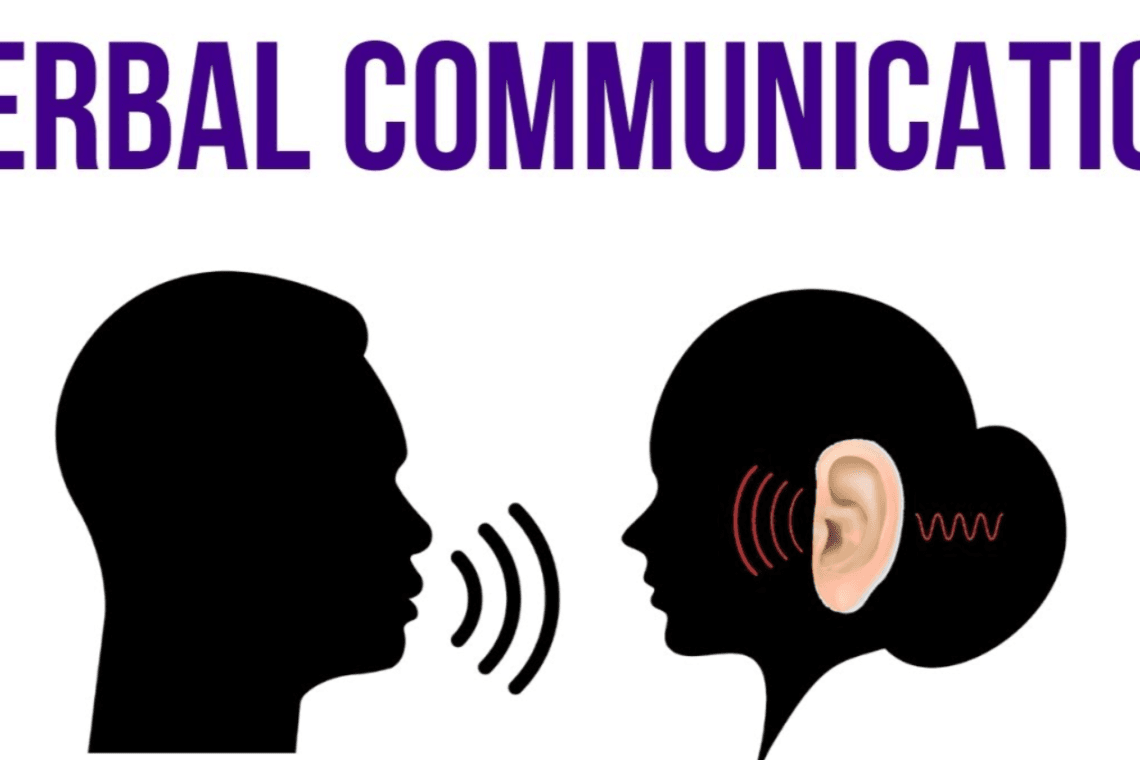
Verbal communication is communication via spoken words. It may be informal or formal. The formal communication of verbal language includes classroom instruction or office meetings, formal discussions, and presentations. Informal speech includes everyday conversations with family members, friends or colleagues.
It can happen face to the face, or through devices like video and mobile phones. Tone of voice and the clarity of speech and the use of words play an important role in communicating verbally.
Advantages of Verbal Communication
1. Fast and Time-Saving
One of the main advantages of using verbal communication is the speed. The messages are delivered and read quickly. As opposed to written communication and text messages, there is no need to read lengthy texts or wait for responses.
For instance, in emergency or situations that require immediate attention speaking up can help people respond quickly and effectively.
2. Easy to Understand
The use of verbal communication enables speakers to clearly communicate ideas. If a listener doesn’t comprehend something, they are able to inquire immediately and receive clarification.
This kind of two-way interaction helps reduce confusion and increases understanding, particularly during teaching or training discussions.
3. Personal and Human Touch
The use of words can create an emotional connection. Tone as well as pitch and emotion in the voice are used to convey emotions such as joy and anger, as well as concern or even excitement.
This emotional component helps to create trust relationships and collaboration which are crucial in relationships with friends, families as well as workplaces.
4. Effective for Discussions and Meetings
Discussions, meetings and debates are more efficient through communication via verbal. Participants can voice their opinions, exchange ideas, and respond quickly and take decisions more quickly.
Brainstorming sessions are best when participants speak freely and share ideas in a conversational manner.
5. Flexible and Adjustable
The language of communication can be adaptable. Speakers can alter their tone, words, and even their style depending on the response of the audience.
If the listener is overwhelmed or confused The speaker may alter the way of speaking immediately. This kind of flexibility is not available in writing communication.
6. Encourages Feedback
Feedback is a crucial aspect of communication. Verbal communication can provide immediate feedback using facial expressions, questions, or a response.
This allows the speaker to be aware of whether the message has been received in a correct manner or not.
7. Useful for Motivation and Leadership
Teachers, leaders and managers typically employ verbal communication to inspire individuals. Speeches, encouragement and advice are more effective when they are spoken directly.
A motivational speech can instill confidence and drive more effective than a written text.
8. Saves Cost and Effort
The use of verbal communications usually requires fewer resources. Face-to face conversations or phone calls are not required to print documents, paper, or lengthy preparation.
It is a cost-effective way of communicating for everyday use.
Disadvantages of Verbal Communication
Although it has many advantages the use of verbal communication has a few drawbacks to be taken into consideration.
1. No Permanent Record
The biggest drawback of communicating verbally is the absence of a record that is permanent. Words spoken can be lost or misinterpreted later.
In legal or official situations, the absence documents can lead to difficulties or even disagreements.
2. Risk of Misunderstanding
Communication via words is heavily influenced by clarity the language, pronunciation, and. If a person talks too fast or uses words that are unclear or has a strong accent, their message might not be understood correctly.
Distractions, noise or a lack of listening ability can result in misunderstanding.
3. Not Suitable for Long or Complex Messages
The long instructions, technical information or complicated information are hard to remember when spoken.
Listeners can forget important details in particular if there’s no written explanation.
4. Limited Reach
The use of verbal communication typically is only able to reach a small number of people at one time. One cannot talk to a large crowd without the aid of mics and media supports.
Digital or written communication is better suited for information that needs to reach multiple people at the same time.
5. Depends on Speaking Skills
Effective verbal communication requires good speaking skills. Some people aren’t proficient or fluent in their speaking.
Fear, fear of language barriers or lack of confidence can hinder the effectiveness of communication via words.
6. Emotional Influence Can Be Negative
Although emotions can enhance communications, they can create problems. Stress, anger or excitement could result in negative words or messages.
After spoken words, they can’t be redeemed easily and can damage relationships.
7. Cultural and Language Barriers
In a country with a diversity like India there are people who speak various dialects and languages. Communication via verbal means can fail when both parties don’t have the same language.
The tone expressions, gestures, or even facial expressions can affect our understanding.
8. Easily Forgotten
Some people forget instructions given to them quickly, particularly when they’re not recorded or repeated.
The result is that verbal communication is less effective for tasks that demand precision and long-term reference.
Importance of Using Verbal Communication Carefully
Communication through words can be most efficient when utilized with care. A clear tone, a precise language as well as active listening and patience enhance its effectiveness.
In many instances speaking is the most effective method when accompanied by written communication especially in educational offices, office work, and legal issues.
Listening is just as crucial as speaking. Communication that is effective and clear isn’t just about communicating ideas, but also about listening to others.
Conclusion
Verbal communication is an effective and necessary method of communication that is used in every day life. It is fast, personal, flexible, and effective for discussions, motivation, and relationship-building. It allows people to connect emotionally and quickly solve issues.
However, the use of verbal communication has its limitations. It is not a permanent record and can cause misunderstandings and isn’t suitable for large-scale or complex communication. The effectiveness of this method is contingent on the ability to speak, listen and the specific situation.
The benefits and drawbacks of communicating verbally suggest that it should be utilized with care. If used properly and supported when needed it can become an important tool to achieve academic, personal and professional success.