What is Joint Family? Know its Advantages and Disadvantages

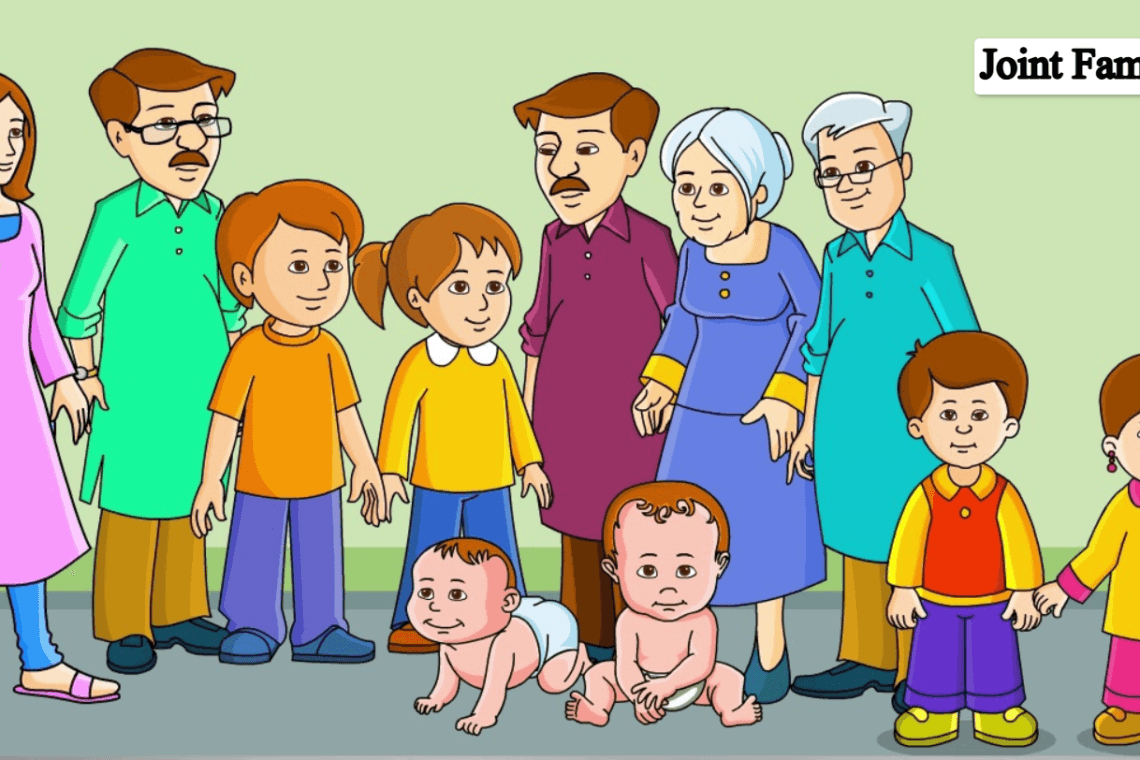
The term “joint family” refers to a tradition family system where several generations reside together under one house. It typically includes grandparents aunts, uncles, parents cousins, children, and other relatives living in the same house. This type of system is common in nations like India where the values of family, unity, and the concept of mutual support has always been a major factor. For centuries, the shared family system played an important influence on the development of society and the culture. With the advancement of technology urbanization, urbanization, and shifting habits of living and lifestyles, the nuclear family system has become more widespread. Today the family unit system of joint families offers both advantages and significant disadvantages. Knowing both sides can help us understand its real importance in today’s society.
Advantages of Joint Family System
1. Strong Family Support
One of the greatest benefits of a family that is joint is the solid family support system that it offers. When there is a time of financial difficulties, illness or emotional strain, family members support one another. There is no need to feel alone as support is always readily available inside the families.
2. Financial Security and Sharing of Resources
In a family with a joint parent the income of different members is pooled. Costs like food and housing, education and medical expenses are shared. This eases personal financial burden and ensures economic security particularly in times of emergency.
3. Care of Children and Elderly
Joint families offer natural care for children as well as elderly members. Grandparents assist in raising children by sharing their experiences and beliefs. In the same way they receive consideration, respect and emotional support which is usually lacking in families with nuclear members.
4. Moral and Cultural Education
Children raised in families with a joint parent develop values such as respect co-operation, discipline and accountability from a young age. They are exposed of customs, traditions, and other cultural practices that help them establish an enduring moral foundation.
5. Emotional Stability
Being a part of a family with many members can create bonds of emotional connection. Families share their joys, sorrows holidays, celebrations, and accomplishments with each other. This closeness in the emotional realm helps reduce loneliness, stress, and mental stress, particularly for older people and children.
6. Division of Work
In a family with a joint parent it is common for the responsibility to be divided between the members. Family chores, childcare and financial obligations are divided. This eases the burden on one person and allows for a more efficient functioning of the family.
7. Sense of Belonging and Security
Families that are joined give their members the feeling of belonging and belonging. People feel secure and appreciated as a member of a bigger group. The feeling of security assists individuals face their problems with confidence.
8. Preservation of Traditions
Families that are part of a joint family help preserve traditions of the past, such as festivals rituals, customs, and rituals. Elders pass on the family’s history and values to the younger generation, helping keep traditions of the past alive.
9. Help During Crisis
During situations like unemployment, illness, or loss, joint families provide immediate help. Family members are supportive of one another financially and emotionally, thus reducing dependence on external sources.
Disadvantages of Joint Family System
1. Lack of Privacy
One of the biggest disadvantages of families that are joint is the in the lack of privacy. Since there are many families living together, individual space is very limited. Couples and individuals might find it difficult or uncomfortable being themselves.
2. Conflicts and Quarrels
Divergences in opinion, behavior and ways of life can lead to conflicts. small disagreements can escalate into significant disputes, which can cause havoc and harmony within the family.
3. Limited Freedom
In a family that is joint family structures, decisions are typically made by the elders. Younger members might feel their choices in regards to education or career, marriage or even their lifestyles are confined. This could lead to anger and discontent.
4. Financial Disputes
Sharing expenses and income can sometimes lead to financial conflicts. People who earn more could feel burdened, whereas those who earn less could be viewed as dependent. These issues can cause tension in the family.
5. Unequal Distribution of Work
In a majority of families that are joint the household chores are not equally shared. Women, particularly, might be a victim of excessive work and restricted autonomy. This can impact their mental and physical well-being.
6. Slow Decision-Making
Because a lot of individuals are in the picture, the decisions within families that are joint can be slow. It takes time to get everyone’s agreement and can prove difficult in emergency situations.
7. Generation Gap
The differences between younger and older generations can cause confusion. The elderly may resist the change, while younger generations may be seeking modern living. This could lead to feelings of separation.
8. Dependency Mentality
Certain members could become too dependent on their families and avoid the personal accountability. This may hinder personal growth confidence, self-confidence and the ability to take initiative.
9. Reduced Individual Growth
In families with joint parents, the individual abilities and goals might not receive the proper motivation. Goals can be sacrificed in order to satisfy family expectations and can affect personal development.
10. Difficulty in Urban Life
In urban areas of today joint families face difficulties including limited space for housing as well as job mobility and high living expenses. Living with the needs of a large family living in small homes becomes a struggle.
Joint Family in Modern Times
In our fast-changing times the family unit is under threat. The demand for work, the need for higher education, and contemporary life styles have led to the rise of nuclear families. However, the ideals of care, cooperation and the unity that family members share are still important. Many families today prefer an approach that is balanced, allowing for the bonds of their families even though they live apart.
Conclusion
The family unit system that is part of the joint family offers the strength of family as well as financial security and continuity in culture however, it also poses difficulties such as lack of privacy and conflict. Its success is dependent on respect, understanding and a sense of balance between family members. In today’s society, mixing traditional values with individual freedom can make the family more fulfilling and healthier.