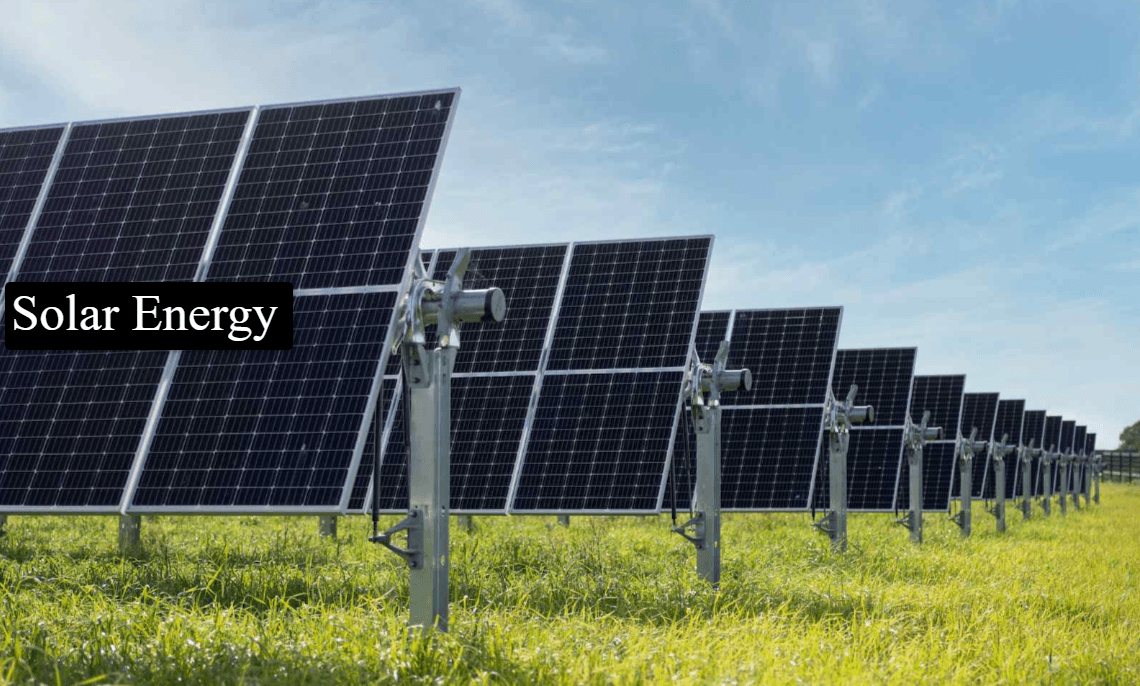
What is Solar Energy? Know its Advantages and Disadvantages

Solar energy is among the major renewable sources of energy that is available in the present. It comes through the sun’s radiation, and transformed into heat or electricity through solar panels and devices. With the increasing demand for electricity as well as rising prices for fuel, and increasing concerns about environmental pollution, solar power is becoming more popular all over the globe including India.
India has plenty of sunlight all of the year making solar power an attractive and viable alternative. Industry, government as well as households are slowly moving towards solar energy. But, solar power also has some limitations. To fully appreciate its value it is essential to research both its benefits and disadvantages thoroughly.
Advantages of Solar Energy
1. Renewable and Unlimited Source of Energy
The main benefit that solar power has is the fact that the energy is renewable. Sunlight is a renewable and endless source of energy, and it will continue to supply energy for millions of years.
Contrary to fossil fuels such as petrol, coal and natural gas the solar energy won’t be depleted. It is therefore an excellent long-term solution to meet future energy demands.
2. Environment Friendly and Non-Polluting
The solar energy source is safe and doesn’t cause water pollution, air pollution or greenhouse gases when it generates electricity.
Utilizing solar energy is a great way to reduce carbon emissions as well as slow global warming. This can help protect the health of humans, the environment and the natural ecosystems.
3. Reduces Electricity Bills
One of the main benefits for solar electricity is the reduced costs for electricity. After solar panels are put in place they can generate electricity for free by absorbing sunlight.
Offices, homes as well as businesses can help save substantial amount of money in power bills. In certain cases surplus electricity can be returned in the form of grid.
4. Low Maintenance Cost
Solar power systems need very low maintenance. Solar panels don’t have moving parts, therefore the wear and tear on them is low.
Regular maintenance and inspections are sufficient to ensure that the system is running smoothly for many years, typically 20-25 years or more.
5. Suitable for Remote and Rural Areas
Solar energy can be very beneficial in rural and remote areas where electricity is not always available or even inaccessible.
Panels made of solar energy can be put up in a way that is independent of grids of power. This helps educational and rural growth, health and communication.
6. Reduces Dependence on Fossil Fuels
Solar energy can reduce dependency on fossil fuels which are costly and damaging to the environmental.
It also decreases the necessity of importing gasoline from countries that do not have it, thereby improving security of energy and reducing foreign exchange.
7. Creates Employment Opportunities
The solar energy sector generates employment in installation, manufacturing maintenance, research, and installation.
When solar energy projects grow employment opportunities also increase and support economic growth.
8. Silent Source of Energy
It is totally quiet. In contrast to generators and Thermal power plant, solar power does not cause noise pollution.
This makes it ideal for hospitals, residential areas and schools.
Disadvantages of Solar Energy
1. High Initial Installation Cost
One of the main drawbacks that solar electricity has is its price at which it starts. Installation of solar panels, inverters battery packs, as well as wiring require the investment of a substantial amount.
Although the long-term savings are substantial but the initial cost could be a challenge for many families and small-sized businesses.
2. Depends on Weather and Sunlight
Solar energy is dependent on the sun’s rays. Weather that is cloudy, rain or fog, as well as dust make it difficult for solar panels.
Solar power generation is slow in monsoon, and is not accessible at night, which makes it a non-reliable source of power without storage devices.
3. Requires Large Space
Solar panel systems require vast area to install, specifically to generate large quantities of electric power.
In small and crowded houses, locating enough area for panels is difficult.
4. Energy Storage Is Expensive
To harness the power of solar energy at night, or on days with clouds batteries are required to store energy. batteries are needed.
These batteries are expensive and have a limited lifespan and can increase total system cost.
5. Lower Efficiency Compared to Other Sources
Solar panels are not as efficient. The majority of sunlight doesn’t convert into electricity.
When compared to nuclear or thermal energy plants, solar energy generates less power per square.
6. Manufacturing Has Environmental Impact
Although solar energy is safe when used, the process of making solar panels requires energy, raw materials and chemicals.
This process can lead to pollution if it is not properly managed.
7. Disposal and Recycling Issues
Solar panels can last for many years However, within 20-25 years they will need replacement.
Recycling and proper disposal of old panels can be a problem and could lead to environmental issues in the near future.
8. Not Suitable for All Locations
Regions that have low sunshine and heavy snowfalls, or frequent clouds are not the best for solar energy.
In such areas solar power alone is not enough to provide the energy needed.
Conclusion
Renewable energy from solar is a green renewable and sustainable source of energy that can help to reduce pollution and dependency of fossil fuels. It can provide long-term benefits such as reduced electricity costs as well as environmental protection. However, issues like an expensive initial cost as well as weather-related storage problems cannot be overlooked. With advancements in technology and support from the government solar energy has the potential to play an important role in addressing the future energy requirements.